
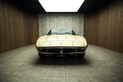

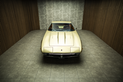
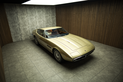
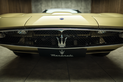
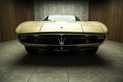
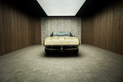
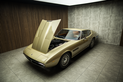
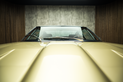
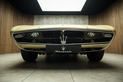
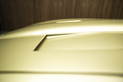

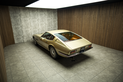
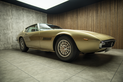
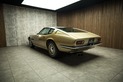
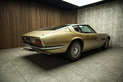
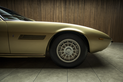
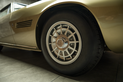
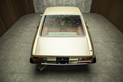
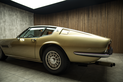
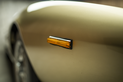
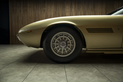
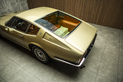
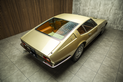
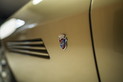
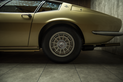
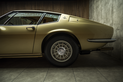
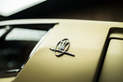





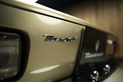
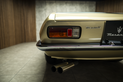
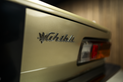
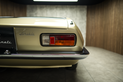
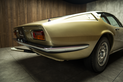
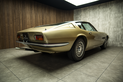
1970 Maserati Ghibli
Tridente Colonia - Collezione perfetta del Curbs Club-
Year of manufacture10/1970
-
Mileage7 048 km / 4 380 mi
-
Car typeCoupé
-
Electric windowsYesClimate controlYes
-
DriveLHD
-
ConditionRestored
-
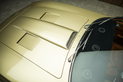
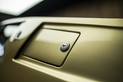
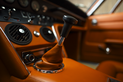
Exterior brand colourOro Chiaro Metallizzato
-
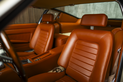
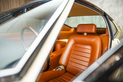
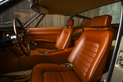
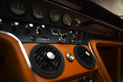
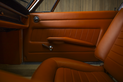
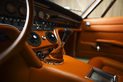
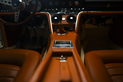
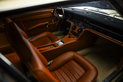
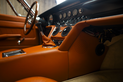
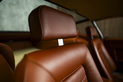
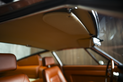
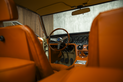
Interior colourBrown
-
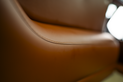
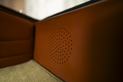
Interior brand colourPelle Marrone
-
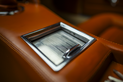
Interior typeLeather
-
Number of doors2
-
Number of seats2
-
Location

-
Exterior colourBeige
-
GearboxManual
-
Performance330 PS / 243 kW / 326 BHP
-
Drivetrain2wd
-
Fuel typePetrol
Description
Maserati Ghibli – the most beautiful and expensive Gran Turismo of the late 1960s
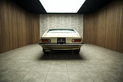
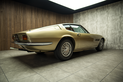
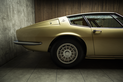
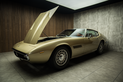
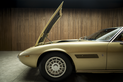
When the talk turns to Maserati styling, the Maserati Ghibli, the masterpiece of Giorgietto Giugiaro, is usually the car that comes to mind. A long bonnet, flowing lines, large windows, a short rear end – this design, with its maximized elegance, became immortal. Even today, the Ghibli impresses with its captivating beauty, but not only that.
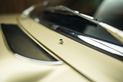
The Ghibli has classic sports car proportions: a long bonnet, a short passenger compartment, a sleek rear end, pop-up headlights, and bumpers used as styling elements. Yes, today it may even look more timeless than all its competitors – or not?
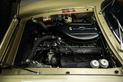
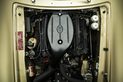
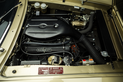
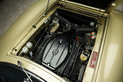
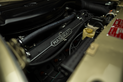
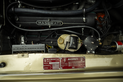
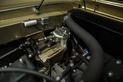
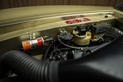
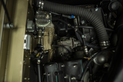
This wonderful shape, a tubular frame chassis – and a V8 engine that was among the finest of its time. It initially came with a 4.7-liter displacement and was a direct descendant of the racing engine that had powered the legendary 450S from 1956 and later the magnificent 5000 GT. An aluminum cylinder block and heads, four overhead camshafts, and four Weber downdraft twin-barrel carburetors (40 DCNL 5). A similar engine was also used in the Quattroporte, but the Italians dispensed with dry sump lubrication there; however, it was necessary in the Ghibli because otherwise, the low-slung front end would not have been possible.
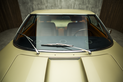
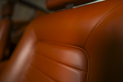
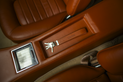
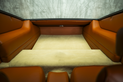
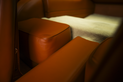
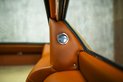
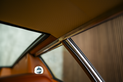
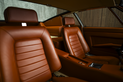
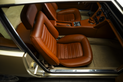
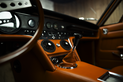
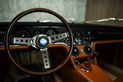
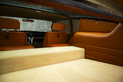
The first version produced 330 hp, and from 1970 onwards there was the SS 5000, with a 4.9-liter displacement and a guaranteed 335 hp, both at 5500 rpm. Good torque, 440 Nm at 4000 rpm in the 4700 version, and 480 Nm in the SS 5000, ensured effortless driving. Even today, the sound of a Ghibli engine is considered some of the finest music in the automotive world, somewhere between the throaty rumble of an American V8 and the characteristic Italian scream. And: the Ghibli's engine proved to be significantly more durable than the V12 engines of its competitors; it also allowed for longer journeys on highways at high speeds. The transmission was a 5-speed ZF unit. Only the design of the rear axle suspension was perhaps a little too conservative. The Maserati designers were criticized for using a Salisbury solid axle with leaf springs. However, in actual driving, the relatively simple design offered hardly any disadvantages; it was comfortable, very quiet, and it didn't deter customers from buying the sports car. While the Ghibli was often available in red and yellow, many customers preferred their coupe in metallic paint colors, which emphasized the car's lines even more. Our coupe was built on [date] and painted red at the factory. During the restoration, the current owner repainted the completely stripped body in a beautiful metallic shade. Matching Connolly leather was used for the interior. Together with Wilton wool carpeting in a matching color, this creates a harmonious, tone-on-tone combination. This color combination suits the Ghibli perfectly and fully showcases its stunning design. Its competitors were the Ferrari 330 GTC, the 275 GTB (and later the 365 GTB Daytona) and the Lamborghini 350 GT/400 GT. The Lamborghini Miura belonged to a different category; its mid-engine layout was too close to a racing car. The Ghibli never aspired to be a racing car; it adheres to the classic Grand Touring concept. Accordingly, its engine is located at the front, it has ample storage space for longer journeys, and even non-acrobats can easily get in and out. Tall drivers can sit comfortably in the car; the seats and seating position are very comfortable, and the cockpit is flooded with light thanks to the large windows. Giugiaro, the head designer at Ghia in the mid-1960s, designed the Maserati Ghibli in about three months. He created a timeless beauty that would influence other vehicles for decades to come. He had ample space to work with. A width of 1.8 meters, a height of 1.16 meters, and a length of 4.59 meters provided an excellent foundation for an elegant and dynamic design, especially when practicality wasn't a major consideration. But few designers exploited these possibilities as well as Giugiaro. The Ghibli was first shown in November 1966 at the Turin Motor Show.
The magazine "Automobil Revue" wrote at the time:
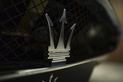
“This newcomer from the house of the trident (Neptune’s symbol) is a prestigious two-seater, clothed by Ghia in a truly sensational way. It is based on the shortened chassis of the Maserati Mexico, with a wheelbase of 255 cm. The 4.7-liter V8 engine, with its four camshafts and 330 DIN hp, was carried over. To reduce the height of the front end, a dry sump lubrication system was used. The smooth surfaces of the harmonious body give the model, named “Ghibli” (desert wind), the necessary visual elegance. The Maserati Ghibli is one of the most beautiful models shown in Turin.”
** **
At the forefront of the sports car class
As Paul Frère (1968 in Motor Revue) and Reinhard Seiffert (1969 in Auto Motor und Sport magazine) confirmed, the Ghibli was a true sports car. It needed only 7 seconds to accelerate from 0 to 100 km/h. The top speed was 274.8 km/h (Seiffert), and it is still rumored that the AMS test car performed exceptionally well, as it also reached 200 km/h in 24.4 seconds.
Quieter than expected and, thanks to its high weight, equipped with a well-damped suspension, the Ghibli proved to be a comfortable Grand Tourer in the tests of the 1960s. In the city, however, it proved to be somewhat cumbersome, due to its large turning circle and somewhat heavy steering. The temperature control system was perfectly balanced, and the air conditioning delivered ice-cold air into the passenger compartment through the vents after just 30 seconds.
Auto Motor und Sport reported a fuel consumption of 23.0 liters during their test drive, while on country roads at 80 km/h, the car used around 19.2 liters of fuel per 100 km.
But it wasn't just the sheer driving performance that compensated for the fuel consumption, but also the symphony of sound produced by the beautifully designed exhaust system – or perhaps we should call it an exhaust "instrument"?
The Ghibli was produced from 1967 to 1973. In 1968, it gained a new member of the family in the form of the open-top version, called the "Spyder." In 1969, the engine was enlarged to 4930 cc and the power output increased to 335 hp; an "SS" designation indicated this, and internally it was known as the 115/49. The 4.7-liter version continued to be produced alongside it.
A car from another era
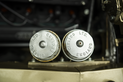
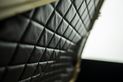
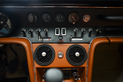
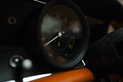
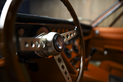
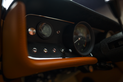
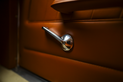
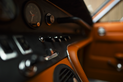
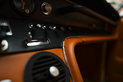
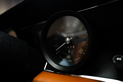
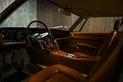
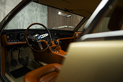
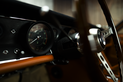
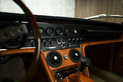
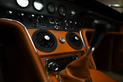
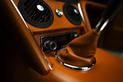
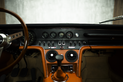
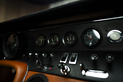
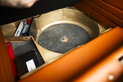
When you sit in a Maserati Ghibli today, you quickly realize that more than 50 years have passed since it was built. The materials used are high-quality: no plastic surfaces or screens, but leather and chrome. Mechanical switches and analog gauges attest to the good taste Maserati had at that time. Its dimensions don't seem so large today; 180 cm width is now standard, and 1600 kg is considered almost lightweight for a sports car these days. Nevertheless, driving the Ghibli requires effort; the gearshift, brakes, and clutch demand strong muscles. The reward is a refined engine sound, which, especially compared to other sports cars of the 1960s, hardly warrants earplugs. The controls don't require studying the instruction manual, except for the manual switching between the two fuel tanks (with separate filler caps!).
What makes this vehicle so special?
The Ghibli 4700 is part of the prestigious Maserati collection "Tridente Colonia - Collezione Perfetta del Curbs Club".
This collection is also offered for sale as a package and consists of the following vehicles:
Maserati Ghibli 4700 (Restored to perfection)
Maserati Mistral 3700 GTI 2-seater (Pre-production model
, restored to perfection)
Maserati 3500 GT Dark Blue (Pre-production model, restored to perfection)
Maserati 3500 White GT (Unrestored, fantastic and original condition)
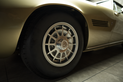
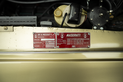
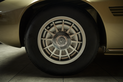
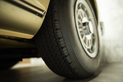
It was completed in December 1968 and delivered in Switzerland by the importer "Martinelli & Sonvico" and first registered in October 1970. It left the factory in Rosso Capanelle with black leather upholstery. Equipped with a 5-speed ZF S5.325 manual transmission and magnesium alloy wheels with center lock from Campagnolo. Air conditioning was standard on the Ghibli.
As the second Swiss owner, the Ghibli was registered for road use on April 18, 1991 in Lutry, Switzerland, under the name of Mecanique Navale, a large collection of classic cars. The car was then acquired by its current owner from this collection in December 2013 and transported to Germany on January 8, 2014.
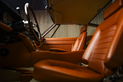
The vehicle was roadworthy, in an original, unrestored condition with good bodywork, but showed signs of wear and patina in many areas. The current owner commissioned the leading Maserati restoration workshop in Germany, to carry out a complete restoration.
Approximately 2,500 hours were invested in restoring this Maserati. The restoration process spanned from January 2014 to its completion in April 2024 – a total of 10 years! The car now presents itself in pristine, showroom condition, or even better than when it left the factory in Modena in 1968. It is a regular and highly sought-after participant at classic car events, always drawing admiring attention. This car is a rare collector's item and not comparable to an average Ghibli on the market. This Ghibli is part of a fantastic collection of other Maserati’s, all in comparable condition.
Arwed Lange, our sales representative, will be happy to provide you with expert advice. He will gladly answer any questions you may have about these vehicles and invites you to visit our showroom in Cologne. We hope we have piqued your interest in this exceptional opportunity. Thank you for your interest and we look forward to seeing you soon in Cologne.

Watch our latest videos
More Listings related to Maserati Ghibli


Recommended Listings


