



Museo Alfa Romeo
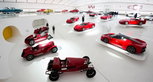
Stepping onto the historic grounds of the former Arese production plant near Milano allows visitors to experience the "La Macchina del Tempo" museum in its most authentic setting. This facility was reimagined in 2015 and is characterized by a striking red glass installation that winds through the industrial complex to signal a modern rebirth within the "time machine". There are three distinct sections named Timeline, Beauty, and Speed to represent the different facets of the brand's identity.
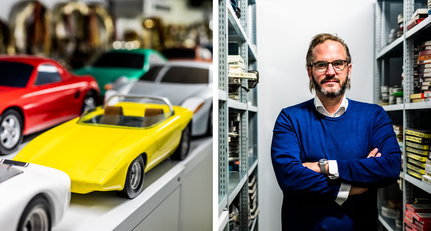
Within these halls, the collection features approximately 70 meticulously preserved vehicles that include early road cars as well as legendary Grand Prix champions and endurance racing prototypes from the golden age and iconic models like the Giulia that still make the "cuore sportivo" beat to this day. Something you don’t see anywhere else is the "Masters of Style" floor that features eight spectacular and retro-futuristic concept cars, mainly from the sixties and seventies, penned by grandmasters like Marcello Gandini. Alfisti can explore the technical evolution of the brand while enjoying immersive displays and a specialized 4D cinema that brings racing history to life. The collection of the museum contains more than 250 cars, of which the majority are only seeing the light of day for special occasions.

Museo Nazionale dell’ Automobile
Located in Turin, the home of Fiat and the hub of Italy’s automotive industry, the Museo Nazionale dell'Automobile (MAUTO) doesn’t just impress with it diverse collection of over 200 cars, ranging from the pioneering 1896 Bernardi which wrote history as one of the nations first cars to cutting-edge motorsport icons and spectacular prototypes, but also with its architecture. Amedeo Albertini’s 1960 landmark of rationalism was modernized with a lot of glass-and-steel around fifteen years ago. Rather than following a traditional, static gallery format with as many cars as possible parked in the exhibition halls, the museum utilizes a unique "cinema-style" scenography that allows the design of each item to breath and earned the museum a spot on The Times’ Top 50 list of the most beautiful museums worldwide in 2013.
The institute immerses visitors in a journey through different eras using evocative light, sound, and artistic installations. Domestic brands like Lancia, Fiat or Ferrari of course have a special place in the MAUTO, but there are also manufacturers from other countries featured. The goal of the curators is to tell the global history of the automobile, honoring the trailblazers and technological revolutionaries and also highlighting the social aspects of the motorization, without too strong a bias towards Italian brands. But there’s more than just the main exhibition halls already featuring cars of up to 80 makes with changing themes. An "open garage" in the basement, where another 70 cars are getting restored or conserved, can be entered by reservation.

Stellantis Heritage Hub
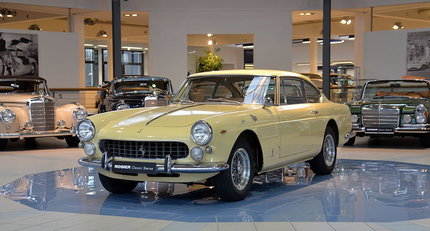
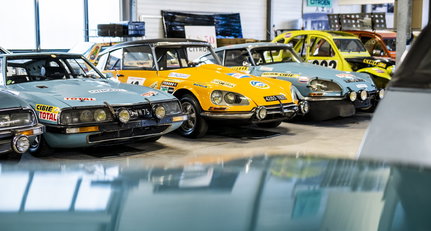
Turin offers another industrial gem for car lovers, called the Stellantis Heritage Hub. Located inside the historic Officina 81 at the Mirafiori plant, this space feels very different from a standard museum. Instead of a fancy gallery, it is a massive 15,000-square-meter hall that still breathes the spirit of the factory it once was. With its metal pillars and natural light, the Hub houses over 250 vehicles from brands like Fiat, Lancia, Abarth, and Alfa Romeo.
The collection focuses on technical innovation as much as on famous names. You can find engineering marvels like the Lancia Lambda, a pioneer of unitary body construction and independent suspension, or the Fiat 600 Multipla that reinvented how we use cabin space and could be called the first Italian minivan. For fans of speed, the Hub also displays extreme racing machines and prototypes that spent most of their lives behind closed doors.
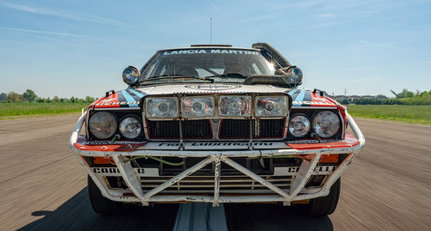
The bolide section includes icons like the Group 4 dominating Lancia Stratos and the Group A legend Delta HF Integrale, the most successful rally car the WRC has ever seen. There are eight different thematic areas to explore, ranging from record-breaking cars to experimental concepts that look like they belong in a science fiction movie. The site is also a working center where experts help collectors with the certification and restoration of their classics.

Museo Ferrari
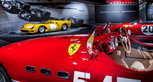
Ferraristi and everyone who wants to end up as one will find their destination at the Museo Ferrari in Maranello, which is located in the neighborhood of the historic factory complex and the Fiorano test track and is the ultimate tribute to Italian high-performance engineering. While the separate Museo Enzo Ferrari in Modena focuses on the life and birthplace of the founder, the Maranello site is solely dedicated to the evolution of the road cars and the brand's unparalleled racing success.
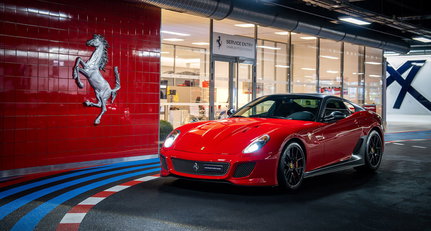
The exhibition space is designed to lead enthusiasts through the history of the company, starting from the early sports prototypes to the latest limited-edition supercars and hypercars of the "Icona" series. A major highlight is the Hall of Victories, where the most significant Formula 1 championship cars are displayed alongside an impressive collection of trophies and memorabilia. In addition to the cars themselves, the museum captures the essence of the Scuderia Ferrari through interactive simulators and professional photography sets that allow fans to connect with the racing world, which is normally completely out of reach.

Museo Enzo Ferrari
While the site in Maranello celebrates the cars and the Scuderia, the Museo Enzo Ferrari in nearby Modena offers a more personal experience. Located at the birthplace of the "Commendatore," the museum consists of two distinct buildings: the restored 19th-century workshop that belonged to Enzo’s father, Alfredo, and a futuristic new wing with a modern glass front. This modern pavilion, with its iconic yellow roof shaped like a giant aluminum car hood, represents the bridge between the heritage and the future of the Prancing Horse.
Inside the workshop, visitors can explore the "Museo dei Motori," where the most defining Ferrari engines are displayed like precious jewels. The main pavilion hosts rotating immersive exhibitions that tell the story of Enzo Ferrari’s life. It spans from his early days as a racing driver to the visionary businessman who built the world's most famous sportscar empire. But don’t be worried – you won’t just see relics of the company's founder in the museum, but also the most prestigious and historically valuable four-wheeled art pieces the Maranello company brought forth. A highlight of the visit is the panoramic movie that is projected across the entire interior surface of the hall, transforming the space into a giant cinema.

Collezione Maserati Umberto Panini
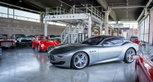
You don't even have to leave the city to marvel at one of the most significant collections of sports and racing cars from another iconic Italian sportscar maker. Located on the "Hombre" estate on the outskirts of Modena, the Collezione Umberto Panini represents a important historical record of Maserati. The story behind it is as interesting as the museum itself: in 1996, during a period of corporate restructuring after Alejandro De Tomaso had lost the last bit of interest in the brand with the Trident and Fiat had taken over, Maserati’s entire factory collection was shipped to London to be auctioned off. To prevent the brand's heritage from being scattered across private collections worldwide, Umberto Panini, who came to wealth through the famous stickers of the same name, intervened at the last minute. By purchasing the entire lot, he ensured that these irreplaceable machines returned to their rightful home in Modena.
The collection spans decades of engineering excellence and aesthetic evolution. Among the most revered pieces is the Maserati 250F, the legendary monoposto in which Juan Manuel Fangio secured his fifth Formula 1 World Championship in 1957. It stands as a testament to an era when Maserati earned the most trophies on the Grand Prix circuits. Visitors can also admire the Tipo 61 "Birdcage," famous for its innovative and complex space-frame chassis consisting of over 200 thin steel tubes, which turned it into a masterpiece of lightweight construction that revolutionized racing design in the late fifties. Beyond these racing icons, the museum showcases the brand's steady transition into luxury grand tourers, featuring rare prototypes and limited-run models that defined Maserati’s identity over the last seven decades. From the elegant lines of the early A6 series to the powerful V8 engines of the seventies and the quirky hydraulic engineering of the "Citroën-era," the Panini collection offers an excellent overview of the company’s history.

Museo Automobili Lamborghini
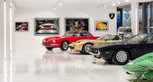
Driving just a few kilometers east through the Motor Valley, you will reach the official factory collection of Italy’s third legendary sportscar maker. Located at its headquarters in Sant’Agata Bolognese, the Museo Lamborghini prioritizes quality over quantity, typically featuring a highly curated selection of around 20 to 25 cars at any given time. This approach ensures that each vehicle on display receives the attention it deserves, representing a specific milestone in the brand's sixty-year history.
The museum is known for its frequently rotating themed exhibitions, which means the display is constantly evolving. The experience begins with the 350 GT, Lamborghini’s first production car and the legendary Miura, the car that effectively created the supercar segment and that celebrates its sixtieth anniversary this year. The exhibition further highlights the brand’s mastery of the wedge-shaped silhouette, showcasing Gandini-designed icons like the Countach and Diablo alongside more recent landmarks like the Murciélago and Aventador. Special sections are for example dedicated to Lamborghini’s pioneering role in carbon fiber technology and limited-run masterpieces like the Sesto Elemento or the latest hybrid flagship, the Revuelto.
Photos: Stellantis Heritage, Alfa Romeo, Ferrari, Collezione Maserati Umberto Panini, Automobili Lamborghini S.p.A.